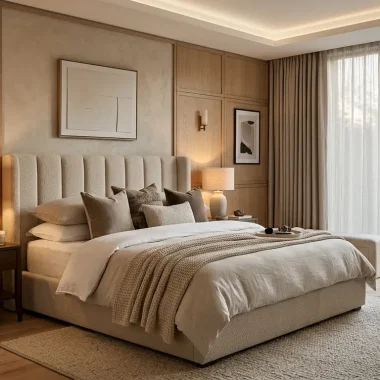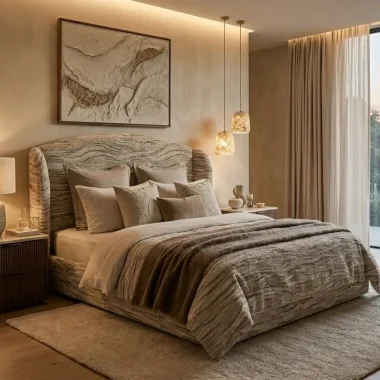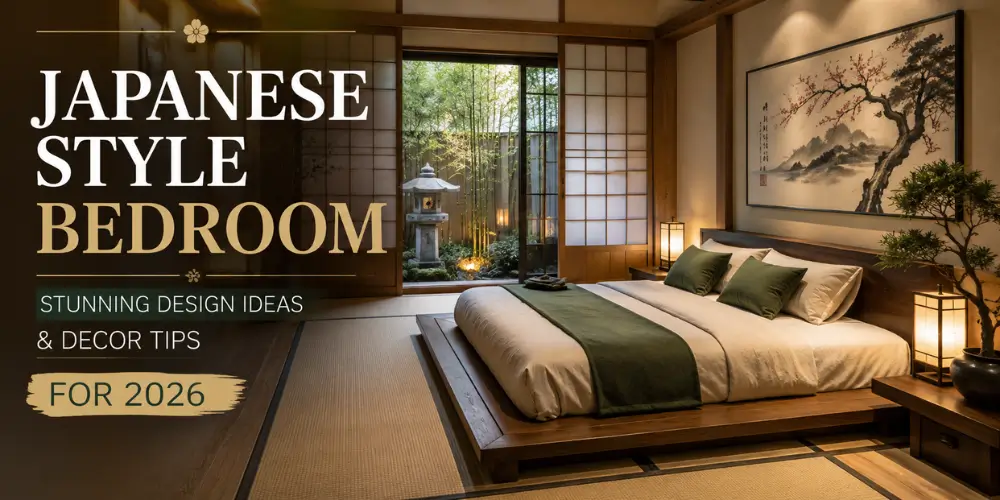
A Japanese style bedroom is more than a mere interior design approach; it is a philosophy characterised by simplicity, harmony, and balance. Drawing on the principles of traditional Japanese architecture, this interior design style helps you create a comfortable, relaxing space. Whether you need Japanese bedroom decorating ideas or are interested in traditional Japanese bedroom design, the beauty of this concept will definitely appeal to you.
There is no secret why Japan’s interior design style is becoming increasingly popular among contemporary decorators and homeowners. The combination of minimalism, harmonious décor, and stylish furniture creates an interior design for the Japanese bedroom that is absolutely cosy and comfortable. It does not matter whether you want to design your bedroom with a modern Japanese bedroom design idea or prefer the classic Japanese bedroom design; these elements will undoubtedly come in handy for you.
Table of contents
- What Is a Japanese Style Bedroom?
- Core Principles of Japanese Interior Design
- Essential Elements of a Japanese Bedroom
- Traditional Japanese Bedroom Design
- Modern Japanese Bedroom Design
- Japandi Bedroom Design
- Japanese Bedroom Color Palette
- Japanese Room Decor Ideas
- Small Japanese Bedroom Ideas
- Wabi-Sabi Bedroom Design
- Common Japanese Bedroom Design Mistakes
- Benefits of a Japanese Style Bedroom
- Conclusion
What Is a Japanese Style Bedroom?
A Japanese style bedroom revolves around the concepts of simplicity, natural beauty, and practicality. Japanese bedroom interior design involves creating harmony among furniture pieces, natural elements, and space.
Core Principles of Japanese Interior Design
Understanding the principles behind Japanese interior design helps you create a more authentic bedroom.
Simplicity
Japanese interiors avoid unnecessary decorations and focus on essential pieces. Every item should serve a purpose or add meaningful beauty to the room.
Natural Materials
Wood, bamboo, cotton, linen, stone, and paper are commonly used throughout Japanese homes. These materials create warmth and strengthen the connection to nature.
Balance and Harmony
Japanese bedroom design emphasises visual balance. Furniture placement, colours, and decor work together to create a sense of harmony rather than competition.
Connection to Nature
Indoor plants, natural light, and earthy materials play a major role in Japanese style bedrooms. Nature is considered an important part of everyday living.
Essential Elements of a Japanese Bedroom
Several design features instantly make a room feel like an authentic Japanese bedroom.
Low Platform Beds
One of the elements that immediately comes to mind in connection with a Japanese bedroom is the low platform bed. While in traditional homes, futon beds are used, low wooden beds are widely used in modern Japanese bedroom designs.
Tatami Mats
Traditional tatami rooms are one of the most iconic elements of Japanese houses. In addition to comfort, they lend an authentic ambiance to a bedroom.
Shoji Screens
The shoji screen is a partition that not only separates but also allows light to pass through the interior.
Traditional Japanese Bedroom Design
A traditional Japanese bedroom focuses on simplicity and cultural authenticity.
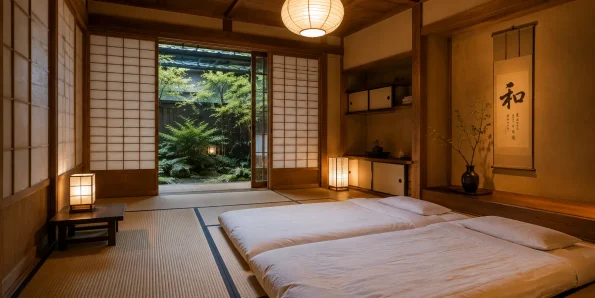
Common features include:
- Tatami flooring
- Futon bedding
- Shoji screens
- Floor cushions
- Minimal furniture
- Natural wood construction
- Paper lantern lighting
Traditional Japanese bedrooms often have very little furniture compared to modern Western bedrooms. The emphasis is on open space and flexibility.
Modern Japanese Bedroom Design
A modern Japanese bedroom blends traditional and contemporary design elements. Many people choose this design type because it offers both aesthetics and functionality.
Japandi Bedroom Design
The Japandi bedroom combines the minimalism and clean lines characteristic of Japan with the practicality and functionality characteristic of Scandinavian interior design. It is becoming increasingly popular.
Japanese Bedroom Color Palette
Colour plays an important role in Japanese interior design.
The most common colours include the following:
- Soft white
- Warm beige
- Light gray
- Natural wood tones
- Stone colors
- Muted green
- Earthy brown
Bright colours are generally used sparingly. The focus is on creating a calm and relaxing environment rather than making bold visual statements.
When choosing colours, think of natural landscapes such as forests, mountains, sand, and stone.
Japanese Room Decor Ideas
The choice of Japanese room decor will surely make a huge difference to the way your room looks.
Indoor Plants
Plants are essential to Japanese interior design, as they help connect indoor spaces to nature.
Japanese Artwork
Use minimal artwork, such as landscapes or calligraphy, to adorn a Japanese bedroom.
Small Japanese Bedroom Ideas
One of the biggest advantages of Japanese bedroom design is its suitability for small spaces.
If you have a small bedroom, consider these ideas:
- Choose a low platform bed.
- Use multifunctional furniture.
- Keep decor minimal.
- Maximise natural light.
- Use neutral colours.
- Reduce visual clutter.
- Incorporate built-in storage.
Japanese design principles naturally make small rooms feel larger and more open.
Wabi-Sabi Bedroom Design
Wabi-Sabi is a Japanese philosophy that celebrates simplicity, authenticity, and imperfection.
A Wabi-Sabi bedroom embraces the following:
- Natural textures
- Handmade items
- Organic materials
- Muted colors
- Imperfect beauty
Instead of striving for perfection, Wabi-Sabi encourages appreciation for ageing materials and natural imperfections.
This philosophy adds depth and character to a Japanese inspired bedroom.
Common Japanese Bedroom Design Mistakes
Many people attempt Japanese interior design but accidentally create a space that feels inauthentic.
Avoid these common mistakes:
Overdecorating
Japanese design values simplicity. Too many decorations can make the room feel cluttered.
Using Bright Colors
Strong colours often disrupt the peaceful atmosphere that Japanese interiors aim to create.
Ignoring Natural Materials
Plastic and synthetic materials can reduce the organic feel of the space.
Confusing Japanese Design with Anime Decor
Anime-themed rooms and traditional Japanese bedrooms are very different styles. Authentic Japanese interiors focus on minimalism, balance, and nature.
Benefits of a Japanese Style Bedroom
There are many reasons why Japanese bedroom ideas continue to gain popularity.
Benefits include:
- Reduced visual clutter
- Better relaxation
- Improved sleep environment
- Timeless design appeal
- Efficient use of space
- Strong connection to nature
- Easier room maintenance
Many homeowners find that Japanese style bedrooms help create a more peaceful and stress-free lifestyle.
Conclusion
The Japanese-style bedroom is a place of ultimate beauty and elegance. Whatever design option you choose – whether a classic Japanese-style bedroom complete with tatami mats and futons or a modern Japanese bedroom layout – both types follow the same essential elements: simplicity, balance, and harmony.
By using natural materials, minimalist furniture, neutral colour schemes, and carefully selected Japanese room décor, you can easily create a serene space for relaxation and rejuvenation. In essence, the most beautiful Japanese bedrooms are not only pleasing to the eye but also have a calming effect, allowing you to unwind and appreciate the beauty of simplicity.